Learn Morse Code – Complete Beginner to Advanced Guide
Learning Morse code doesn’t have to be complicated. Whether you’re a complete beginner or looking to improve your speed and accuracy, InMorseCode gives you everything you need to understand, read, send, and practice Morse code using modern online tools.
This page is your central learning hub. You’ll find clear explanations, structured learning paths, and direct access to our Morse code translator, generator, and decoder—all built to help you master dots and dashes efficiently.
What Is Morse Code?
Morse code is a system of communication that represents letters, numbers, and symbols using short signals (dots) and long signals (dashes). It was originally developed for telegraph communication but is still used today in amateur radio, aviation, emergency signaling, and education.
Instead of visual characters, Morse code relies on rhythm and timing, making it usable through sound, light, or physical signals. Because of this flexibility, it remains one of the most reliable communication systems ever created.
Morse Code Alphabet: Letters, Numbers & Symbols
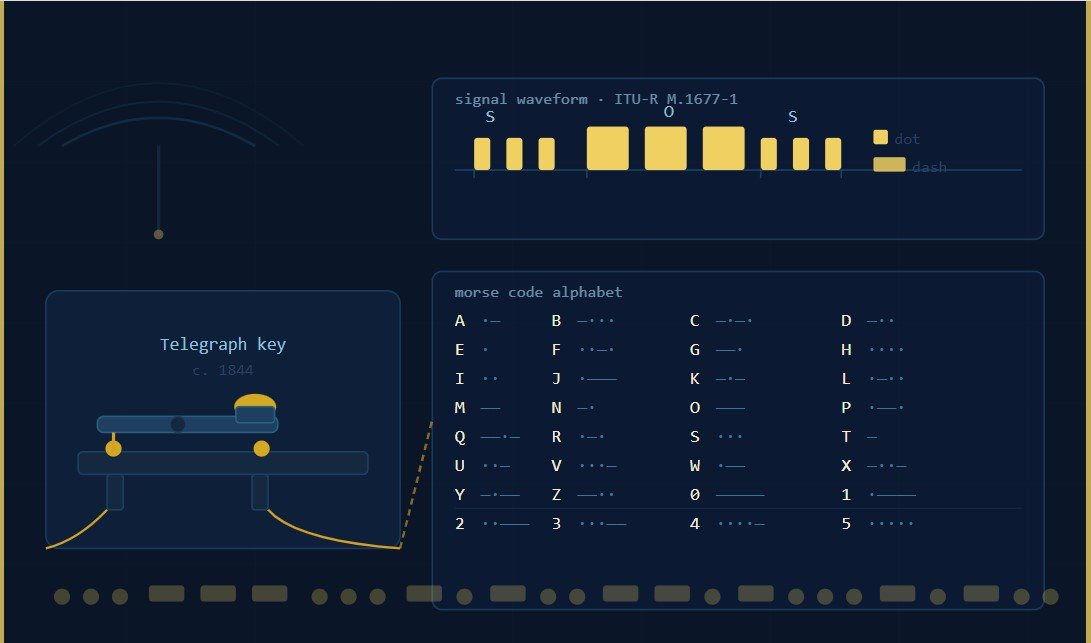
At the core of Morse code is a standardized alphabet that includes:
- Letters (A–Z)
- Numbers (0–9)
- Punctuation and symbols
- Procedural signals (prosigns)
Each character is made from a unique pattern of dots and dashes. Learning these patterns helps you recognize Morse code quickly without translating character by character.
👉 Explore the full references:
- Morse Code Alphabet (A–Z)
- Morse Code Numbers (0–9)
- Morse Code Punctuation & Symbols
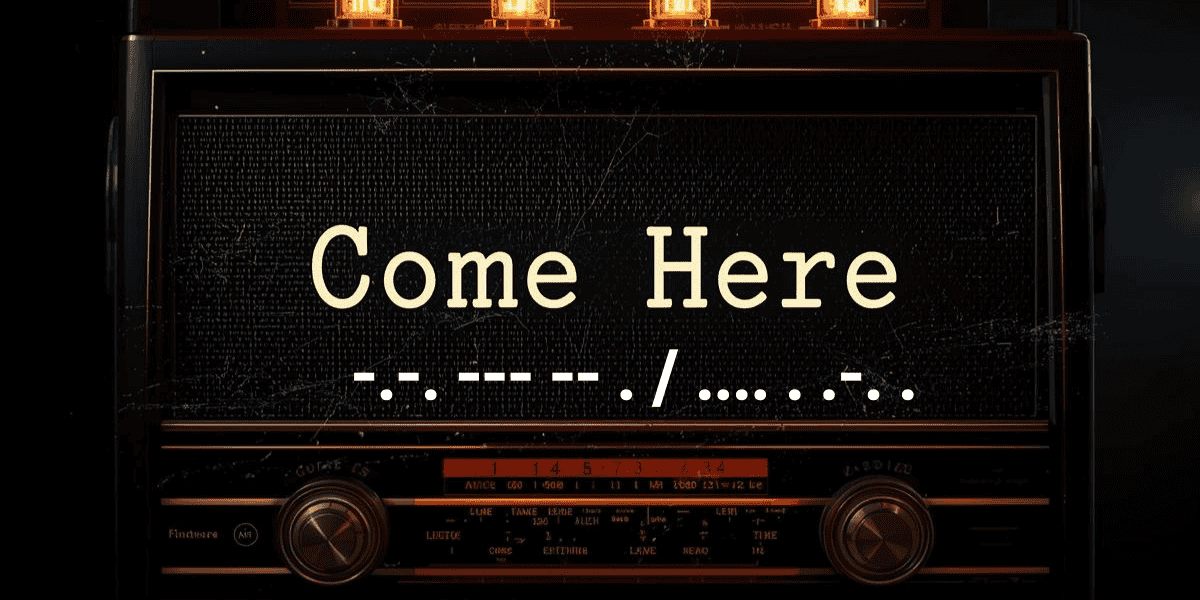
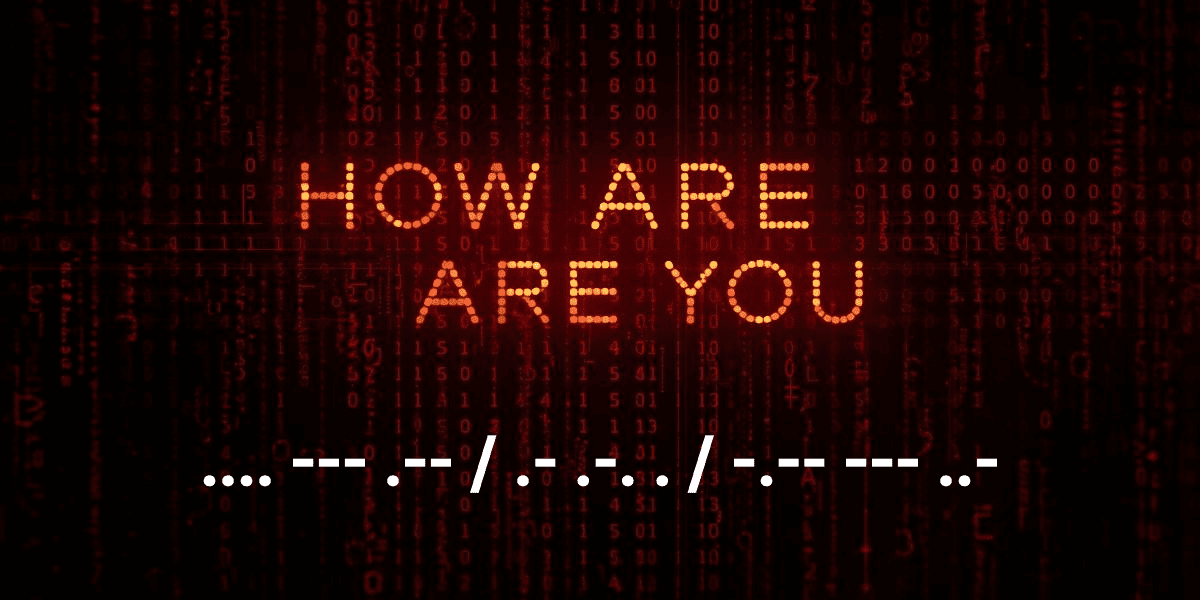
You can also instantly convert any text into Morse using the InMorseCode translator to see how characters are structured.
How Morse Code Works (Dots, Dashes & Timing)
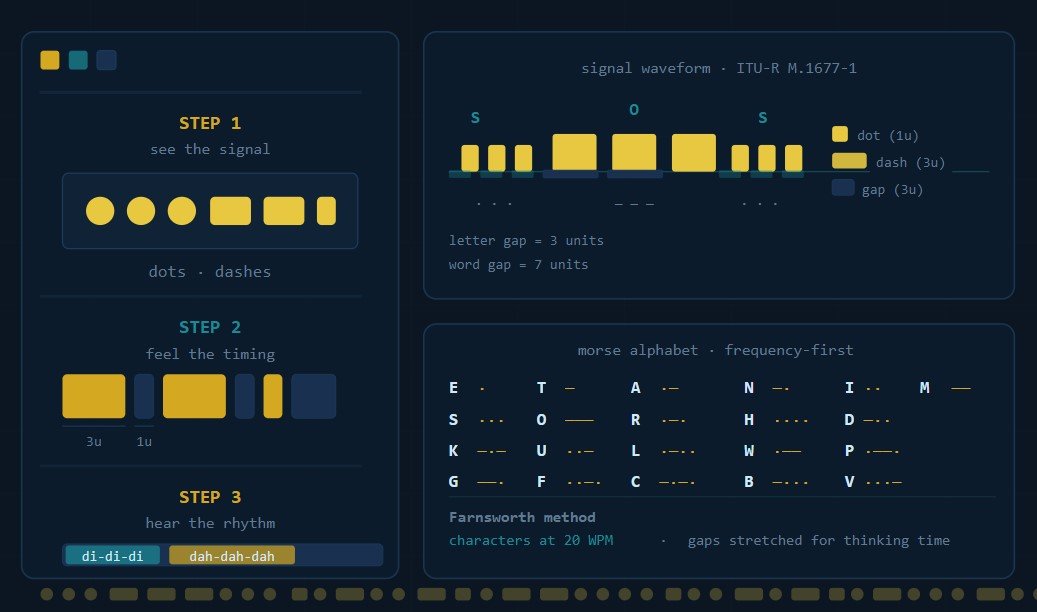
Morse code follows precise timing rules that give it a recognizable rhythm:
- Dot (dit) = 1 time unit
- Dash (dah) = 3 time units
- Space between elements = 1 unit
- Space between letters = 3 units
- Space between words = 7 units
Correct spacing is just as important as the signals themselves. This timing system ensures that Morse code can be understood clearly across different devices and transmission methods.
To hear accurate timing in action, use the Morse code generator with adjustable speed settings.
International Morse Code Standard
InMorseCode follows International Morse Code, the globally accepted standard defined by the ITU-R. This standard ensures that Morse code is:
- Universally recognized
- Consistent across countries
- Compatible with modern radios and software
Unlike American (Railroad) Morse code—which is now obsolete—International Morse code uses only dots and dashes with fixed timing. All modern Morse code translators and decoders rely on this standard.
Best Ways to Learn Morse Code
Learning Morse code is easiest when you focus on sound patterns, not counting dots and dashes. Two proven methods are widely used:
Koch Method
This method teaches Morse code at full character speed from the beginning, adding new characters only after you reach high accuracy. It prevents slow-learning habits and builds instant recognition.
Farnsworth Method
Farnsworth spacing keeps characters fast but increases the space between them. This makes learning easier while still training your brain to recognize correct rhythms.
Both methods are fully supported by InMorseCode’s generator, allowing you to control character speed and overall pace.
Reading Morse Code
Reading Morse code means recognizing patterns, whether they appear as written symbols, audio tones, or flashing lights.
Tips for faster reading:
- Focus on rhythm, not individual signals
- Recognize word spacing first
- Learn common character families (all dots, all dashes, rising, falling)
You can practice visual recognition or audio decoding using the Morse code decoder to verify accuracy.
Writing Morse Code Correctly
Proper Morse code writing follows standard formatting rules:
- Use dots (·) and dashes (—)
- Maintain correct spacing between letters and words
- Use slashes ( / ) or wide spacing to separate words
InMorseCode accepts multiple formats and automatically outputs clean, standardized Morse code, making it ideal for learning and practice.
Sending Morse Code (Audio, Light & Digital)
Morse code can be sent in many ways:
- Audio tones
- Flashlights or blinking LEDs
- Keyboard or software keying
- Physical telegraph keys
Good sending depends on consistent timing and spacing, not speed. The Morse code generator produces perfectly timed signals, helping you develop strong sending habits without mistakes.
Receiving & Decoding Morse Code
Receiving Morse code (also called “copying”) involves listening to signals and converting them back into text. Strong receiving skills come from:
- Active listening
- Pattern recognition
- Context awareness
The InMorseCode decoder helps you practice by checking decoded text and identifying spacing or rhythm errors.
Practice Morse Code Online
The fastest way to learn is through active practice. With InMorseCode, you can:
- Convert text using the Morse code translator
- Generate accurate audio with adjustable speed
- Decode Morse code back into readable text
- Practice letters, words, and full sentences
Everything works directly in your browser—no downloads required.
Why Learn Morse Code Today?
Morse code is still valuable for:
- Amateur (ham) radio operators
- Emergency and survival communication
- Aviation and maritime signaling
- Brain training and pattern recognition
- Historical and technical education
It’s a skill that combines logic, rhythm, and focus—and once learned, it’s never forgotten.
Frequently Asked Questions
Is Morse code still used today?
Yes. It’s widely used in amateur radio, aviation signals, and emergency communication.
How long does it take to learn Morse code?
Most beginners can recognize basic letters within a few weeks with daily practice.
What is the easiest way to learn Morse code?
Learning by sound using the Koch or Farnsworth method is the most effective approach.
Is Morse code the same worldwide?
Yes. International Morse code is globally standardized.
Start Learning Morse Code Now
Ready to practice?
Use InMorseCode’s Morse code translator, generator, and decoder to apply everything you’ve learned and build real skill—step by step.
👉 Start Translating Morse Code Now