What Is “Hello” in Morse Code?
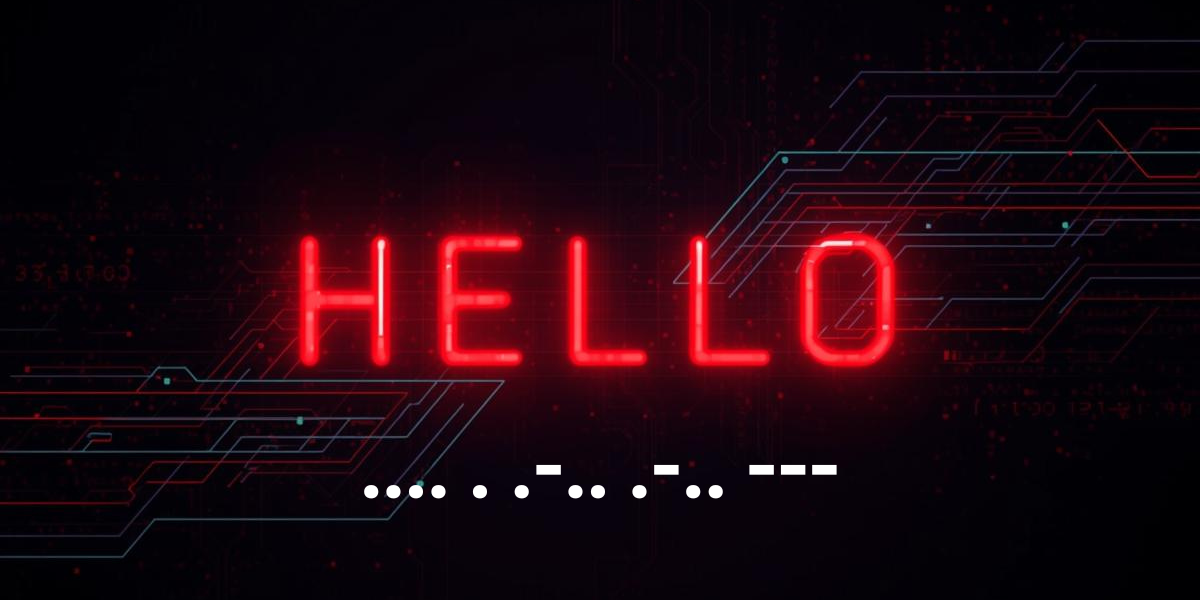
“Hello” in Morse code is the Morse representation of the word HELLO, commonly used as a friendly greeting in radio communication, Morse practice, and learning environments. Each letter in the word is translated into its own Morse signal using dots and dashes, following the international Morse code standard.
Morse Code Representation of Hello
The word Hello is written in Morse code as:
H = ….
E = ·
L = .-..
L = .-..
O = —
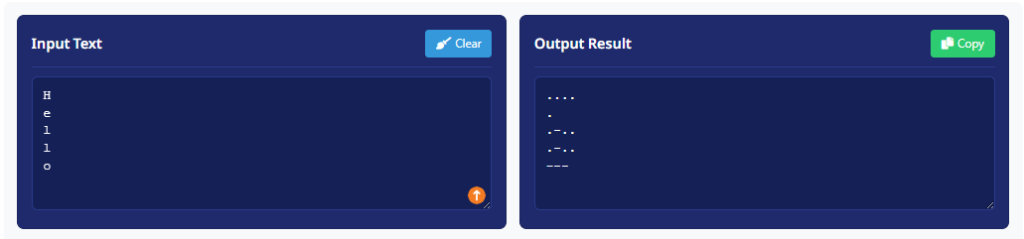
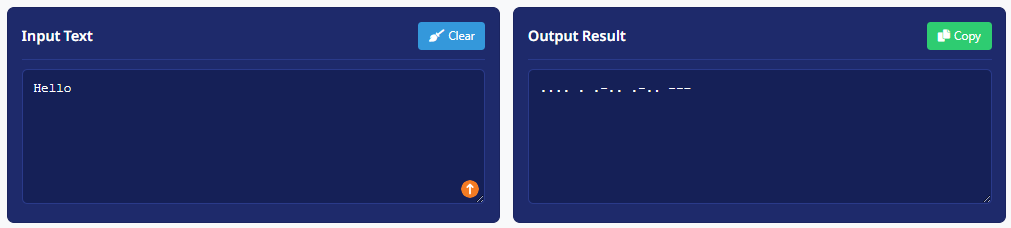
When written together, Hello in Morse code appears as:
…. . .-.. .-.. —
Each letter is separated by a short space to ensure clarity and correct decoding.
How Hello Is Used in Morse Communication
In Morse communication, “Hello” is often used to initiate contact, test a connection, or begin a practice session. It serves as a polite and recognizable opening message, especially in amateur radio, Morse training exercises, and educational demonstrations.
Is “Hello” a Standard Morse Signal?
Unlike SOS, “Hello” is not a special or emergency signal. It is simply a regular word encoded letter by letter using Morse code rules. Its popularity comes from everyday usage rather than official signaling purposes, making it ideal for beginners learning how to encode and decode Morse messages.
How to Send Hello Using Sound
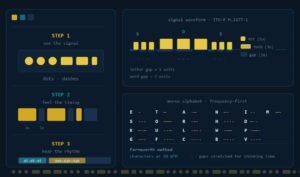
To send “Hello” using sound, such as beeps, taps, or radio tones, each letter is transmitted in sequence with correct timing. Short sounds represent dots, while longer sounds represent dashes. A brief pause separates letters, ensuring the receiver can distinguish each character accurately.
How to Send Hello Using Light Signals
“Hello” can also be transmitted visually using a flashlight or signal lamp. Short flashes represent dots and long flashes represent dashes. This method is commonly used in Morse training, demonstrations, or visual signaling practice.
Quick Reference: Hello in Morse Code
Hello in Morse code is written as …. . .-.. .-.. —
It is a standard greeting, not an emergency signal
Each letter follows international Morse code rules
It is commonly used for learning, practice, and demonstrations
Hello in Written and Visual Morse Code
In written form, Hello is displayed using dots and dashes, making it easy to learn and recognize. It is frequently used in textbooks, online translators, and learning tools to demonstrate how words are formed in Morse code and how letter spacing works.
Why Hello Is Commonly Used for Learning Morse Code
Hello is one of the most popular practice words because it includes a mix of short and long signals and repeated letters. This helps learners understand rhythm, spacing, and consistency in Morse code transmission while practicing a familiar word.
Difference Between Hello and Emergency Signals
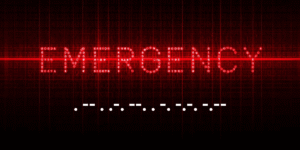
Hello is a non-emergency greeting and should never be confused with distress signals like SOS. While both use Morse code, their purposes are entirely different. Hello is used for communication and learning, whereas SOS is reserved strictly for emergency situations.
Can Hello Be Translated Back From Morse Code?
Yes, when Morse code representing Hello is entered into a Morse code translator, it can be decoded back into plain text instantly. Proper spacing between letters is essential for accurate translation and interpretation.