What Does “Help” Mean in Morse Code?
“Help” in Morse code is the Morse representation of the word HELP, commonly used to signal that assistance is needed. While it is not an official international distress signal like SOS, “Help” is widely understood and often used in learning, signaling, and emergency-related contexts where clear communication is required.
Morse Code Representation of Help
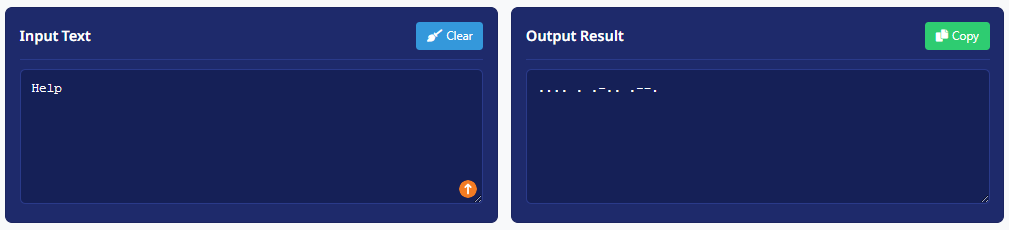
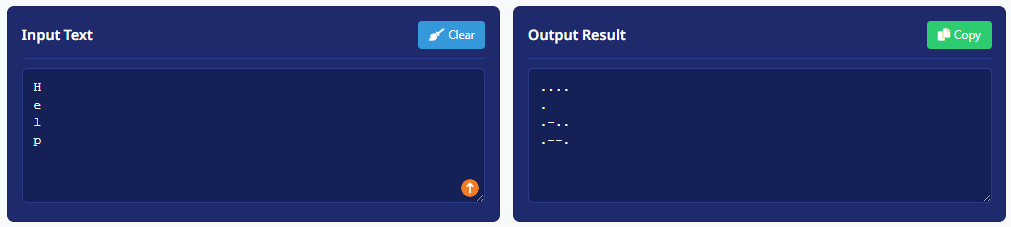
The word Help is written in Morse code by translating each letter individually:
H = ····
E = ·
L = .-..
P = .–.
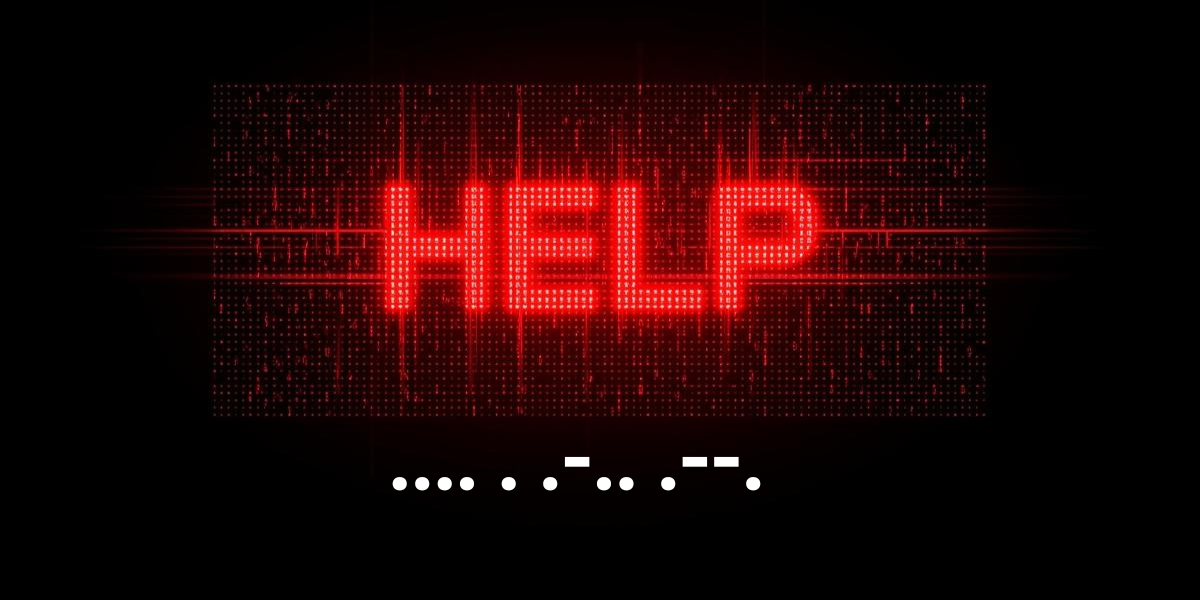
When written together, Help in Morse code appears as:
…. . .-.. .–.
Each letter is separated by a short pause to maintain clarity and accurate decoding.
Is “Help” an Official Distress Signal?
“Help” itself is not an official international distress signal. The globally recognized emergency signal in Morse code is SOS. However, “Help” is still meaningful and understandable, especially in situations where people can see or hear the signal but may not be using formal radio procedures.
How Help Is Used in Morse Communication
In Morse communication, “Help” is often used to clearly express the need for assistance when conditions are not critical enough for a full distress call or when communicating with people unfamiliar with SOS conventions. It is also commonly used in training exercises and educational demonstrations.
How to Send Help Using Sound
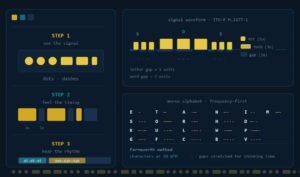
To send “Help” using sound, such as tapping, beeping, or radio tones, each letter is transmitted in sequence using dots and dashes. Short sounds represent dots, long sounds represent dashes, and a brief pause between letters ensures the message is understood correctly.
How to Send Help Using Light Signals
“Help” can be transmitted visually using a flashlight, signal lamp, or reflected light. Short flashes represent dots and long flashes represent dashes. This method is useful in low-visibility situations or when sound communication is not possible.
Quick Reference: Help in Morse Code
Help in Morse code is written as …. . .-.. .–.
It is a general request for assistance, not an official distress signal
It can be sent using sound, light, or written signals
SOS should be used for life-threatening emergencies
Help in Visual and Written Morse Code
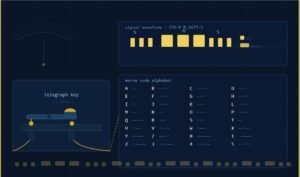
In written form, “Help” is displayed using dots and dashes, making it easy to recognize and decode. It is frequently shown in Morse code charts, translators, and learning tools to demonstrate how assistance requests can be formed beyond emergency prosigns.
Difference Between Help and SOS
Help and SOS serve different purposes in Morse communication. SOS is a standardized international distress signal designed for extreme emergencies, while Help is a general assistance request. In critical situations, SOS should always be used instead of Help to ensure immediate recognition and response.
Can Help Be Decoded Back Into Text?
Yes, when Morse code representing “Help” is entered into a Morse code translator, it can be decoded back into plain text instantly. Proper spacing between letters is important to avoid confusion with other Morse patterns.
Why Learning Help in Morse Code Is Useful
Knowing how to send “Help” in Morse code expands communication options when modern tools fail. It can be useful in survival scenarios, training environments, and educational settings where understanding Morse signaling improves preparedness and awareness.