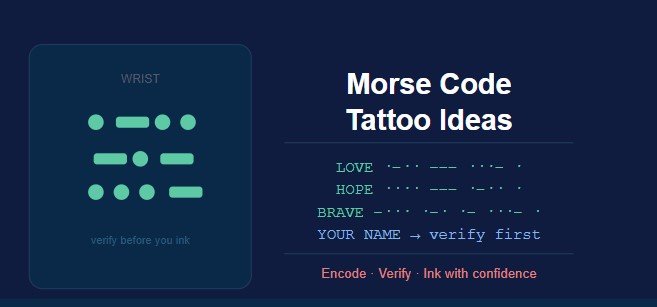
A Morse code tattoo is one of the most personal and meaningful tattoo styles available today. By translating a name, phrase, date, or word into dots and dashes, you create a design that looks clean and minimal on the skin while carrying a message that only you, and those who know Morse can read. This guide covers everything you need: the best messages to encode, where to place them, how the design works visually, and critically how to verify your code is correct before it becomes permanent.
Morse code tattoos are popular precisely because of their combination of minimalist aesthetic and hidden meaning. The dots and dashes are visually simple, abstract marks that could be mistaken for decoration but they carry a precise, decodable message. For many people, that privacy is exactly the point.
Why Morse Code Tattoos Are So Popular
- Personal meaning: Names, dates, and phrases carry deep significance. Encoding them in Morse adds a layer of intimacy the message is yours and not immediately legible to strangers.
- Minimalist design: Dots and dashes create naturally clean, simple patterns that suit the minimalist tattoo aesthetic extremely well.
- Flexibility: Any word, name, number, or phrase can be encoded. The content is entirely customisable.
- Timeless: Unlike trend-based tattoos, a coded personal message will never feel dated.
Most Popular Morse Code Tattoo Messages
Names the Most Personal Choice
Encoding a name is the single most popular Morse tattoo application. Common choices:
- Your own name, as a declaration of identity
- A child’s name; especially popular for new parents
- A partner’s or spouse’s name
- A parent’s name; a tribute tattoo
- A beloved person who has passed; memorial tattoo
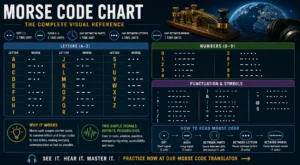
To generate the Morse code for any name, type it into the InMorseCode Morse Translator. The output gives you the exact dot-dash pattern for each letter, which you can then share with your tattoo artist as a reference.
Dates Birth Years, Anniversaries, Milestones
Dates encoded in Morse code are deeply meaningful and visually interesting. Numbers in Morse each use 5 elements, producing a detailed pattern:
- A birth year: 1995, 2001, 2004 etc.
- A wedding date: 14/02/2020 or simply 2020
- A significant day: the day you got sober, graduated, were diagnosed, recovered
Note: a full date (day/month/year) in Morse code is long typically 40+ elements. For a wearable tattoo, consider encoding just the year or just the day and month rather than all eight digits.
Single Words Clean and Powerful
Single meaningful words make some of the most striking Morse code tattoos because they produce a manageable, visually balanced pattern:
| Letter | Morse Code | Sound |
| LOVE | ·−·· −−− ···− · | popular romantic tattoo |
| HOPE | ···· −−− ·−·· · | motivational, widely chosen |
| BRAVE | −··· ·−· ·− ···− · | empowerment word |
| FAITH | ··−· ·− ·· − ···· | spiritual or personal conviction |
| FREE | ··−· ·−· · · | short, clean, strong |
| WARRIOR | ·−− ·−· ·−· · −−− ·−· | longer but meaningful |
| BREATHE | −··· ·−· · ·− − ···· · | mental health / mindfulness |
Phrases and Quotes
Short phrases can be encoded as a longer tattoo that wraps around a forearm, runs along the spine, or circles a wrist:
- “I am enough” a widely chosen self-worth affirmation
- “Still I rise” Maya Angelou’s famous phrase
- “This too shall pass” resilience phrase
- “Not all those who wander are lost” Tolkien quote, popular for travellers
For multi-word phrases, use the InMorseCode translator it handles full sentences, separating words correctly with the standard 7-unit gap.
Morse Code Tattoo Design: How It Looks on Skin
Dots and Dashes Visual Representation
There are several conventions for how dots and dashes appear as tattoo marks:
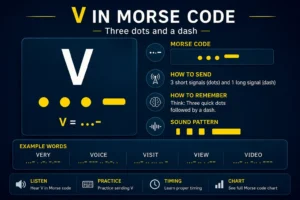
- Classic style: Small filled circles for dots, short horizontal bars or rectangles for dashes. The most legible and authentic representation.
- Dots-only style: Different-sized dots only small dots for dit, larger dots for dah. A cleaner, more abstract look.
- Geometric style: Dashes rendered as longer line segments, creating a more architectural appearance.
- Freehand organic style: Hand-drawn dots and dashes with slight variation in size and spacing, giving a more handmade feel.
Spacing Between Letters and Words
In printed Morse code, letters are separated by spaces and words by forward slashes or longer spaces. In tattoo designs, you can show this as:
- A small gap between letter groups
- A thin vertical dash or asterisk as a letter separator
- No separator (more abstract, harder to decode but cleaner visually)
If the message needs to be decodable by others, use visible separators. If the message is private and the aesthetic is more important than decodability, omit them.
Best Tattoo Placements for Morse Code
| Letter | Morse Code | Sound |
| Inner wrist | Short messages (4–6 letters) | Intimate, personal, easily hidden |
| Forearm | Medium messages (6–10 letters) | Visible, good canvas, very popular |
| Collarbone | Short to medium messages | Elegant, feminine placement |
| Behind the ear | Very short (1–3 letters only) | Discreet, minimalist |
| Finger | Single letter or small word | Extremely minimal, bold statement |
| Spine/back | Long phrases and quotes | Dramatic, allows long messages |
| Ribcage | Medium messages | Hidden, intimate |
| Upper arm | Medium to long messages | Good canvas, easily covered |
How to Verify Your Morse Code Before Getting the Tattoo
This is the most important step in the entire process. A Morse code tattoo with an error is permanent. Verify before you ink.
- Type your message exactly as you want it tattooed into the InMorseCode Morse Translator. Note the output.
- Press Play to hear the code as audio. Listening confirms the pattern is what you intended.
- Write out or print the exact dot-dash sequence and bring it to your tattoo artist as a precise reference. Specify clearly which symbols are dots and which are dashes.
- After your artist prepares the stencil, photograph it and upload it to the InMorseCode Image to Morse tool in ‘Morse Code in Image’ mode. The tool will decode the stencil pattern back to text confirming it matches your intended message before any ink goes on.
- If the decoded output matches proceed. If it doesn’t correct the stencil before continuing.
| The image-upload verification step is the most reliable check: By photographing the stencil and decoding it back to text using the image tool, you are testing the exact marks that will become your tattoo, not just the reference code. This step catches errors that written reference codes might not, such as transposed letters or incorrect element counts by the artist. |
Common Mistakes in Morse Code Tattoos
- Missing letter gaps: Without gaps between letters, the code decodes incorrectly. Ensure your artist understands where each letter starts and ends.
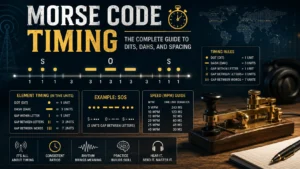
- Dots and dashes the same size: The crucial rule: dots are short, dashes are long (3× the dot size). If they are drawn the same size, the code cannot be decoded.
- Wrong letter: One transposed element changes the entire message. A dash where there should be a dot turns A into N, for example.
- Not verifying before inking: The most common mistake. Always use the image-upload check on the stencil before proceeding.
Frequently Asked Questions: Morse Code Tattoos
Can anyone decode my Morse code tattoo?
Yes; anyone who knows Morse code or uses an online translator can decode it. Morse code is not a secret cipher; it is a public encoding system. If absolute privacy is important to you, consider whether a Morse tattoo is right for your message.
How do I find a tattoo artist experienced with Morse code?
Search specifically for artists who have a portfolio of minimalist or fine-line tattoos the styles that translate best to Morse code. Show them the exact dot-dash reference from InMorseCode.com. The best artists will ask you to verify the code before proceeding; treat this as a positive sign of professionalism.
Is there a difference between dots and periods in Morse tattoos?
No; dot and period refer to the same element in Morse code. When working with a tattoo artist, be specific: ‘dot = short/small circular mark, dash = long/rectangular mark three times the width of the dot.’
What is the most popular phrase for a Morse code tattoo?
Based on search data and jewellery popularity, the most common Morse code tattoo messages are: I love you, Love, Strength, Hope, personal names (especially children’s names), and significant dates (birth years, anniversaries).